
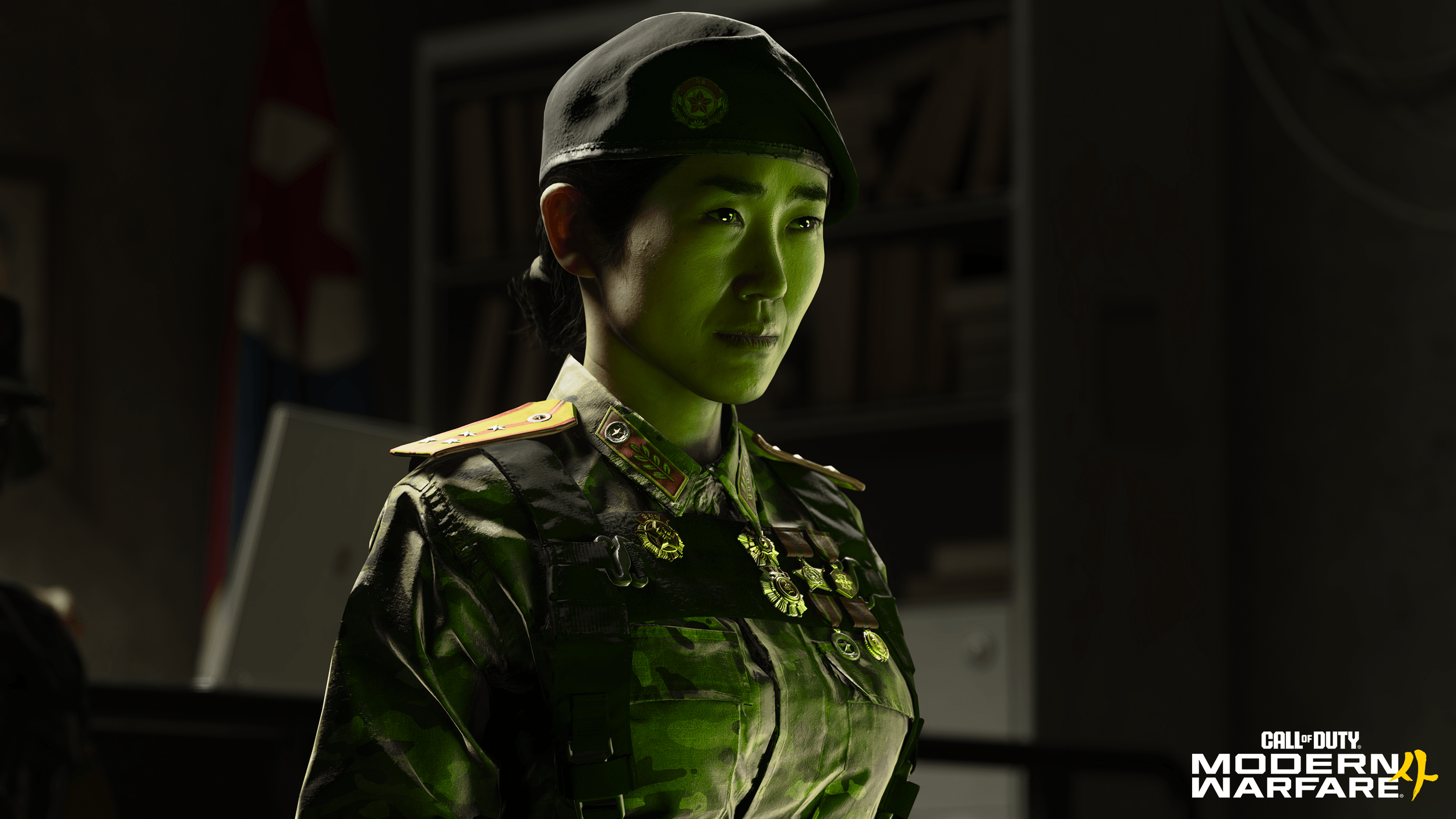
For decades, the Call of Duty video game franchise has turned high-stakes geopolitical friction into entertainment for younger generations. From fictionalized Middle Eastern proxy wars to classic Cold War conflicts, the storyline has always embraced a simple, straightforward premise: clear villains in perilous battles designed to engage a global gaming audience. However, with the release of Modern Warfare 4, the franchise ventured into new territory that feels deeply unsettling for many players and observers close to the Koreas. By setting a major blockbuster campaign on the Korean Peninsula, the game depicts a second Korean War triggered by a North Korean invasion of South Korea—crossing the line from standard action fiction into an ongoing human and political reality.
To those who remember that the Korean War is not a closed chapter of history but an active ceasefire separating loved ones across the inter-Korean border, games that focus on tracking and hunting down individuals in this volatile region spark a complex dilemma between entertainment and the gamification of real human trauma.
At a Glance: Why Modern Warfare 4 Hits Close to Home
-
Unlike historical wars, the Korean War remains an active ceasefire that continues to divide families and shape daily life on the peninsula.
-
Missions depicting borderland searches and escape crackdowns mirror the actual dangers faced by North Korean refugees fleeing repression.
-
Raising global awareness matters, but lasting impact comes from seeing North Koreans not as digital characters, but as neighbors deserving safety, healing, and hope.
Simulating a North Korean Soldier: Inside Modern Warfare 4
From Fictional Battlefields to Real State Surveillance
To understand why Modern Warfare 4 lands with such weight, it helps to look at how it portrays the underground architecture of the North Korean borderlands. In specialized operations like “Following Orders,” the game drops players directly into the boots of a North Korean soldier operating under the command of ruthless North Korean Sergeant Ko Jin-Hyuk and Commander Ri Ju-Young. Instead of fighting on a distant foreign front, players are tasked with executing merciless internal sweeps—patrolling remote border villages, interrogating terrified local residents, and unearthing citizens suspected of harboring escape plans or illicit foreign media. Rather than a generalized battlefield, this game models the actual harrowing mechanics of state surveillance and domestic crackdowns in North Korea. It accurately captures the terror during intense house searches for suspected “traitors,” such as pulling up floorboards to drag out a hidden civilian or unearthing a defector family beneath a kitchen floor. This tension culminates in brutal moral ultimatums dictated by commanding officers, where players are forced to carry out immediate executions of the victims or face execution themselves for hesitation.
Virtual Checkpoints vs. the Reality of North Korean Defection
The global gaming community experiences these tactical missions as high-adrenaline entertainment, stepping through digital checkpoints for a temporary thrill. Yet this virtual simulation mirrors a terrifying daily reality. In the real world, North Korean refugees and defectors attempting to reach safety must navigate a similar nightmare—dodging electrified fences, risking freezing currents across the Tumen and Yalu rivers, scaling jagged mountain passes, and slipping through heavily fortified checkpoints. That journey has grown even more perilous in recent years due to automated biometric surveillance (read more on The Modern Day Underground Railroad). For families making that escape, survival is not a scripted mission; it is a courageous pursuit of freedom, dignity, and a chance to rebuild.
Why Context Matters for North Korean Refugees
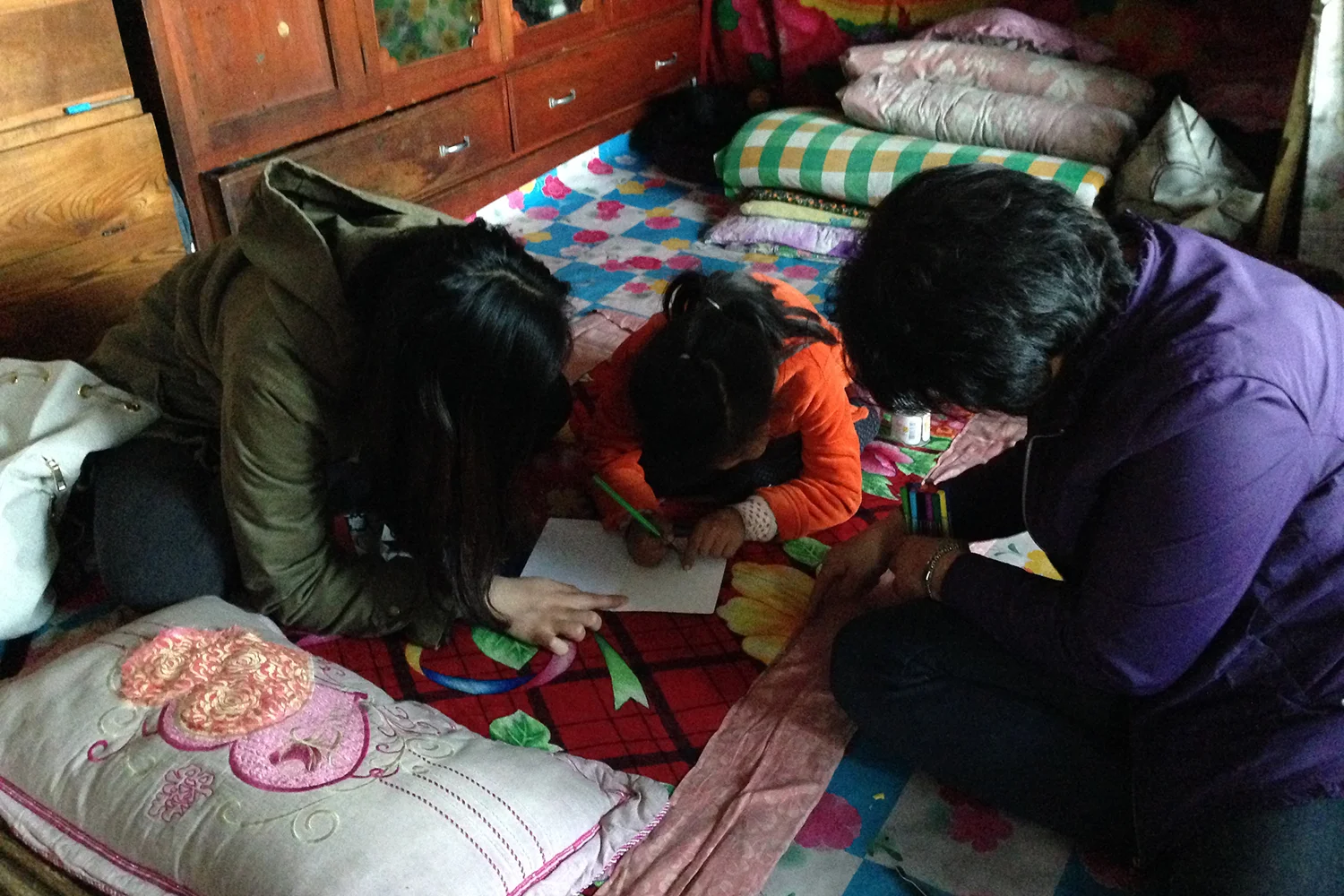
Behind every headline about border security or regional tension are real men, women, and children who carry the invisible weight of separation and trauma—and who, when met with safe community and practical care, demonstrate remarkable resilience.
The Human Cost of Gamifying the North Korean Crisis
When Digital Entertainment Flattens Real Suffering
On the one hand, Call of Duty thrusts an otherwise isolated human rights crisis into the global spotlight, exposing millions of international players to the harsh realities of North Korean oppression. On the other hand, when real-world suffering is packaged into digital entertainment, it risks flattening human agony into a mere obstacle or a “wow factor” product. In a digital format, these scripted manhunts become repeatable loops that can be paused, replayed, or brushed off—running the risk of inadvertently dehumanizing real people whose suffering cannot simply be reset, as human misery turns into disposable pop culture action.
Border Tourism and the Spectacle of Tension
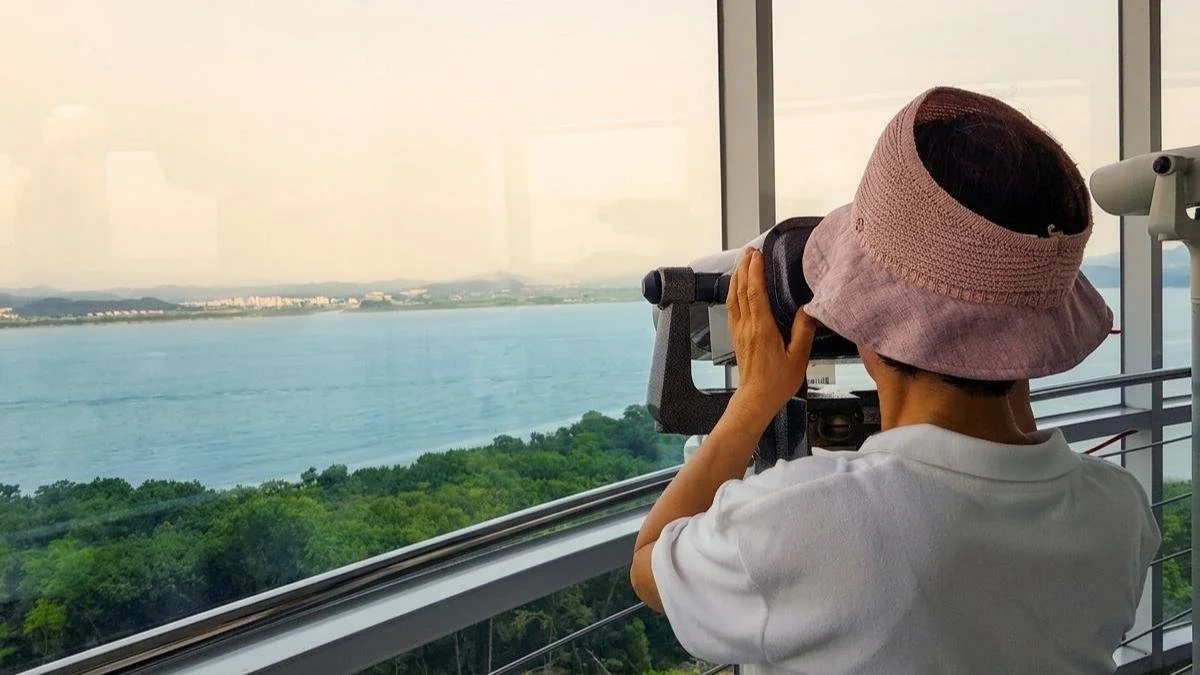
A refugee looks towards North Korea from the Peace Observatory near the border.
Perhaps this tension echoes a broader societal pattern. Recently, thousands of tourists flocked to the Aegibong Peace Ecopark near the border after a North Korean self-propelled howitzer became visible from the observatory. While local officials hoped the site would foster reflection, the surge in visitors drew deep frustration from nearby residents, who complained that this source of daily security anxiety and regional tension is being treated as a novelty tourist attraction.
Keeping the Human Story at the Center
Ultimately, whether standing at a border observatory or sitting behind a gaming controller, the challenge is keeping the human element of the North Korean crisis in focus. Awareness is vital for shining light on ongoing abuses, yet treating an active humanitarian crisis merely as entertainment or a casual adventure risks normalizing the pain experienced by millions of North Koreans living on either side of the peninsula. True compassion invites us to look past the spectacle, remember the individuals behind the headlines, and stand alongside North Korean refugees and their families as they step toward healing, safety, and lasting hope.