
Every few years, the news cycle inevitably produces a familiar sports tragedy: an elite athlete, having trained their entire life through bone-breaking routines, is forced to withdraw from a major tournament due to injury. When this happens, public sentiment naturally swells with compassion as we mourn the crushed dreams and the heavy reality that a lifetime of relentless hard work has seemingly gone unrewarded.
However, what if an athlete at the peak of their career looked at the finish line and actively chose to walk away? This week, that hypothetical became a striking reality. Amid the fanfare of the 2026 Asian Games in Japan’s Aichi-Nagoya, two members of the North Korean delegation have reportedly sought asylum in Japan. This profound decision highlights the deep complexities of elite sports under state control and reveals a profound human desire for lasting peace and a safe community over the pursuit of national glory.
The Realities of State-Mandated Glory
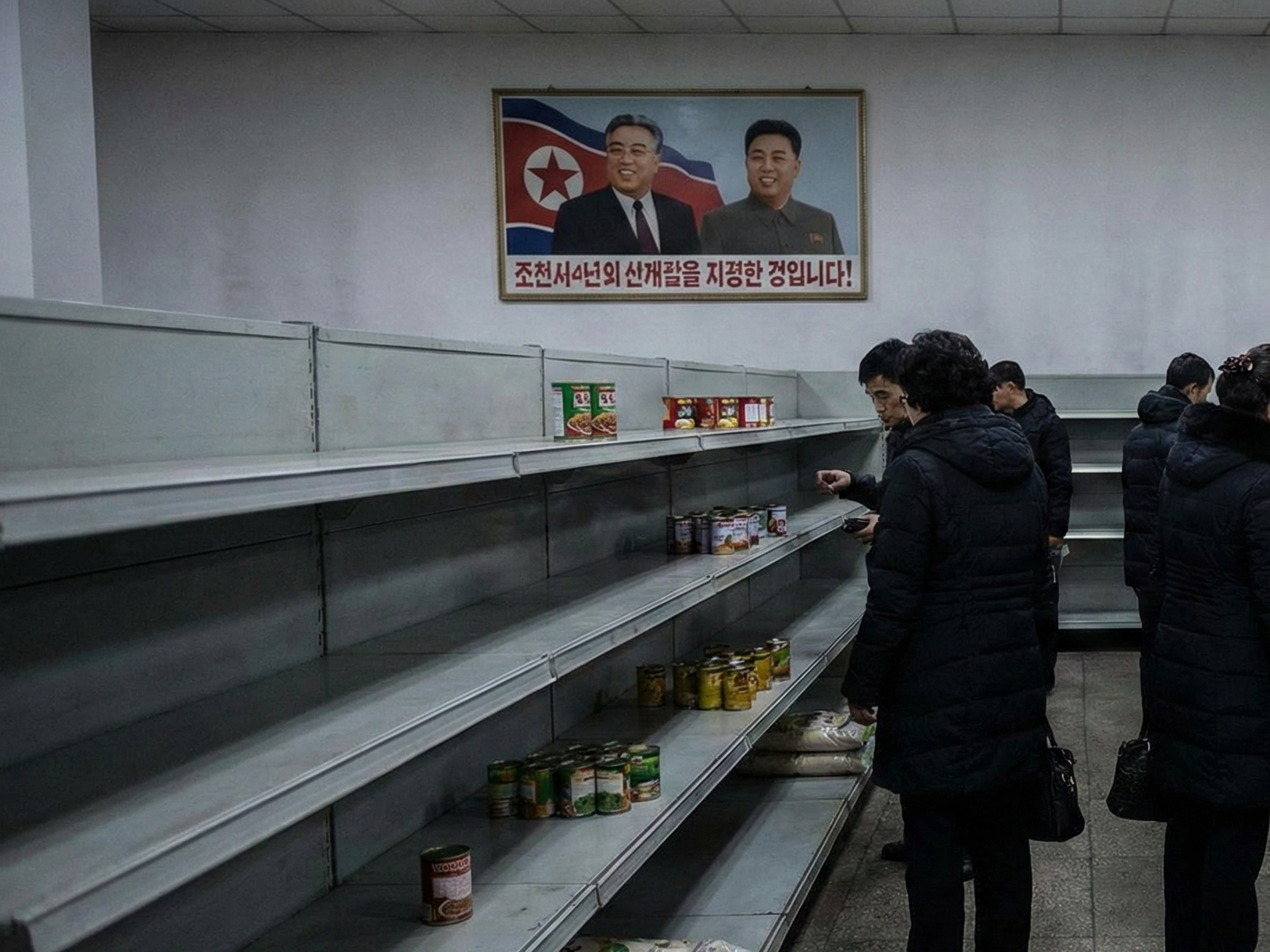
To understand the magnitude of their decision, we must first appreciate the unique environment of North Korean athletics. How does a persistently isolated nation manage to raise high-caliber athletes who regularly compete and win on the world stage? The answer lies in the state’s rigorous sports apparatus. In North Korea, sports are far more than a leisurely pursuit; they are a tool used to project strength. Children exhibiting physical promise are identified at an early age. They are often placed into elite state sports clubs where they receive resources largely unavailable to the general population, including balanced diets, medical care, and specialized training.
For the average North Korean citizen, becoming a successful athlete is one of the only viable avenues for upward mobility under the songbun system. Medaling at international competitions guarantees honors, financial privilege, and an elevated social standing that secures a better life for their extended family. This context makes the defection of these two North Korean refugees even more profound. They chose to leave behind the privileges they worked tirelessly to build. To defect means walking away from lifetime honors and making the agonizing choice to leave their families behind. They step into the unknown to start completely over, facing immense challenges and cultural adjustments that many North Korean refugees experience as they seek a new life.

The timing of this escape during such a highly visible event underscores the gravity of their choice. The North Korean government sent a massive 180-member delegation to Japan for the Games, celebrating as weightlifter Ri Song-gum set three world records to claim gold. Amidst this highly publicized triumph, crossing the line means there is absolutely no turning back for these two individuals. Such a public departure carries a heavy burden, as it often brings severe consequences for the relatives left behind. It is a sobering reminder of the tremendous personal cost these athletes endure for a chance at a new life.
A Quiet Escape to Japan: Finding a Safe Community
The logistics of this defection highlight a notable diplomatic pivot. Typically, North Korean defectors seek asylum in South Korea, where the constitution guarantees automatic citizenship and resettlement support. However, these delegation members explicitly expressed a preference to seek asylum in Japan. While this places Tokyo in a delicate position regarding immigration and humanitarian care, their choice reveals a deeper longing. Fleeing to South Korea can sometimes place high-profile refugees into intense political narratives. By choosing Japan, they seem to be signaling a desire to step out of the geopolitical spotlight entirely. They are refusing to trade one highly publicized stage for another in their pursuit of a quieter, more stable life. Ultimately, it is a choice that underscores a universal desire: not for fame or recognition, but for the quiet dignity of a safe community, emotional healing, and lasting peace.