
2025 Defector Inflow Data Reported by South Korea
Official data released this month shows that 224 defectors entered South Korea in 2025. While a slight decrease from the previous year, it signals a stabilization of escape routes following the pandemic.
Of these, 198 were women. The high percentage of female defectors highlights the specific gendered risks and motivations involved in modern North Korean escapes.
Analysts point out that many of these individuals spent years "hidden" in third countries like China, where the constant fear of repatriation creates a secondary layer of long-term anxiety and hyper-vigilance.
Source: The Korea Times

Defector Memoir Reclaims Agency Beyond Victimhood
Park Eun-hee, a North Korean defector, released her self-published memoir The Courage to Die. She intentionally bypassed traditional publishers to ensure her story wasn't "sensationalized" for profit.
The book details her life as a digital nomad and her refusal to be pigeonholed as a "victim." She explores the "freedom to fail" as a terrifying but essential part of resettlement.
Park discusses the deep-seated "internalized shame" resulting from sexual violence during her escape and how it took nearly a decade to unlearn the state-instilled belief that she was to blame for her own trauma.
Source: Korea JoongAng Daily

Tokyo Court Ruling on "Paradise on Earth" Campaign
The Tokyo District Court delivered a landmark ruling today, ordering the North Korean government to pay damages to ethnic Koreans who were lured to the North between 1959 and 1984.
The ruling acknowledges that the plaintiffs were victims of "state-sponsored deception" and were effectively held hostage for decades before their eventual escape.
This is a vital moment for "legal healing"—the court officially validated the plaintiffs' decades of suffering and the psychological impact of being forcibly separated from their families.
Source: Human Rights Watch, The Chosun Daily
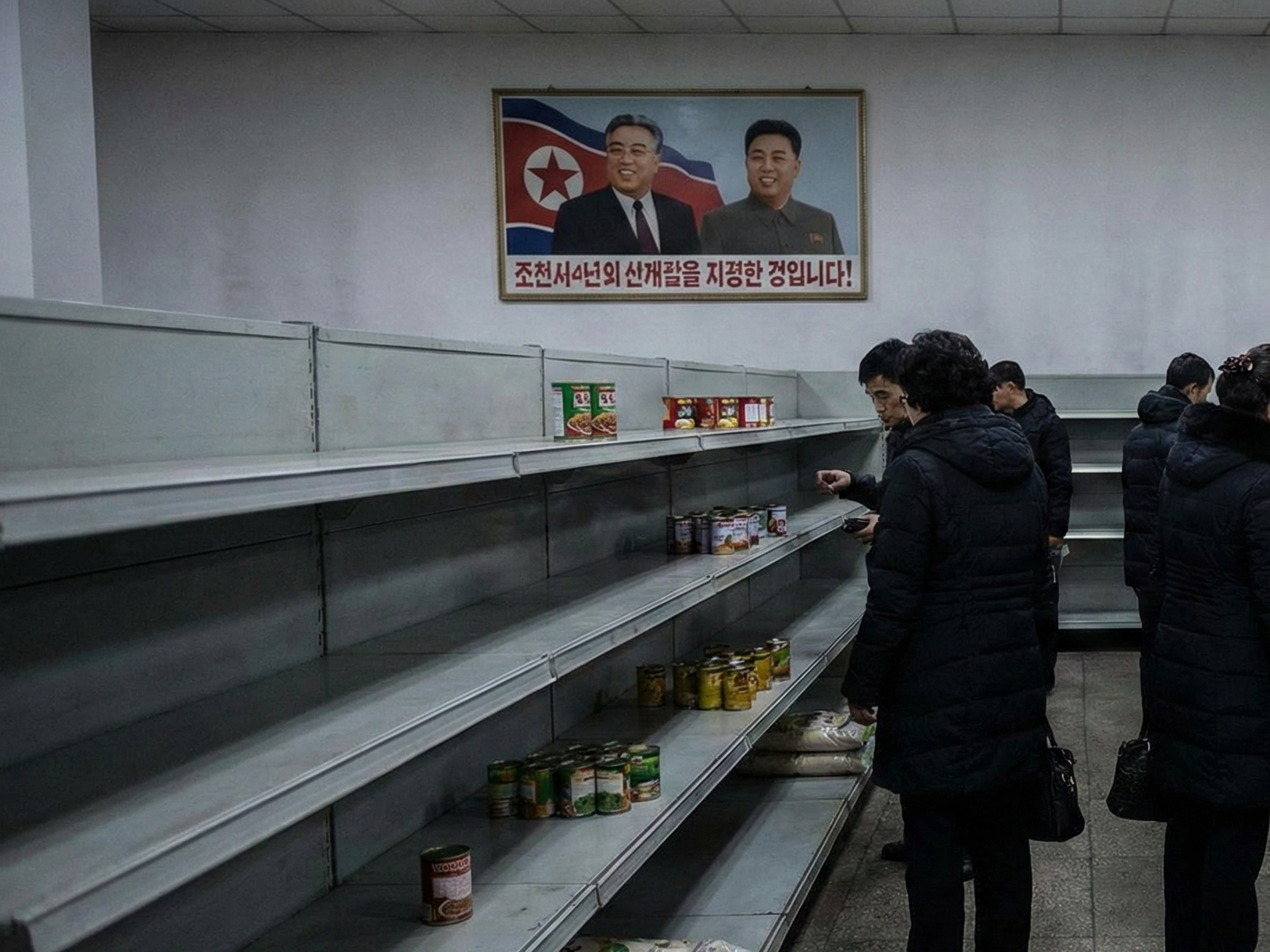
North Korea’s Falling Dairy Distribution
Dairy delivery has dropped below 30% in Pyongyang due to critical shortages of both supplies and transport vehicles.
Available milk is frequently diluted or foul-smelling, causing children to refuse it and rendering the nutritional program ineffective.
Despite state promises of "free" care, parents are forced to pay for fuel and snacks that often never materialize.
Source: DailyNK