labor camp

Top Headlines From North Korea - December 2025

Russian TV Rebrands North Korea for Tourists

A fascinating new cultural shift is occurring in Russian media, where North Korea is being rebranded not as a hermit kingdom, but as a model of "sovereignty" and a desirable travel destination. This media campaign highlights the growing soft-power exchange between the two nations, impacting how ordinary citizens view each other.

  • The Narrative: New documentaries and weekly shows like Russian Lessons are portraying Pyongyang as a modern, decisive state to justify the deepening alliance to the Russian public.

  • Tourism Push: The coverage specifically promotes the Wonsan-Kalma beach resort, attempting to normalize North Korea as a vacation spot for Russians cut off from Western travel.

  • Cultural Impact: This rebranding aims to erase the "backward" stereotype of North Korea in the Russian mindset, replacing it with images of clean monuments and "ideal" social order.

Source: 38 North

The home of a North Korean refugee in China

Scammers Exploit North Korean Families Searching for Repatriated Relatives

Families in the northern city of Hyesan are falling victim to cruel scams while trying to locate loved ones who were recently repatriated from China. Driven by the terrifying fear that their relatives have been sent to political prison camps, families are selling their homes and paying thousands of dollars to brokers who promise information but deliver nothing.

  • The Scam: Fraudsters are charging between $6,900 and $13,800 USD (up to 100,000 yuan) to "confirm" if a relative is alive or to "secure their release," but often disappear with the money.

  • The Human Cost: One family reportedly sold their home to raise funds for information about a repatriated relative, ending up homeless and still without answers.

  • The Context: The scams exploit the total information blackout the state maintains regarding the fate of repatriated defectors, weaponizing families' love and fear against them.

Source: DailyNK


Source: UN Human Rights Office of the High Commissioner

UN Official 'Shocked' by Persistence of Prison Camps"

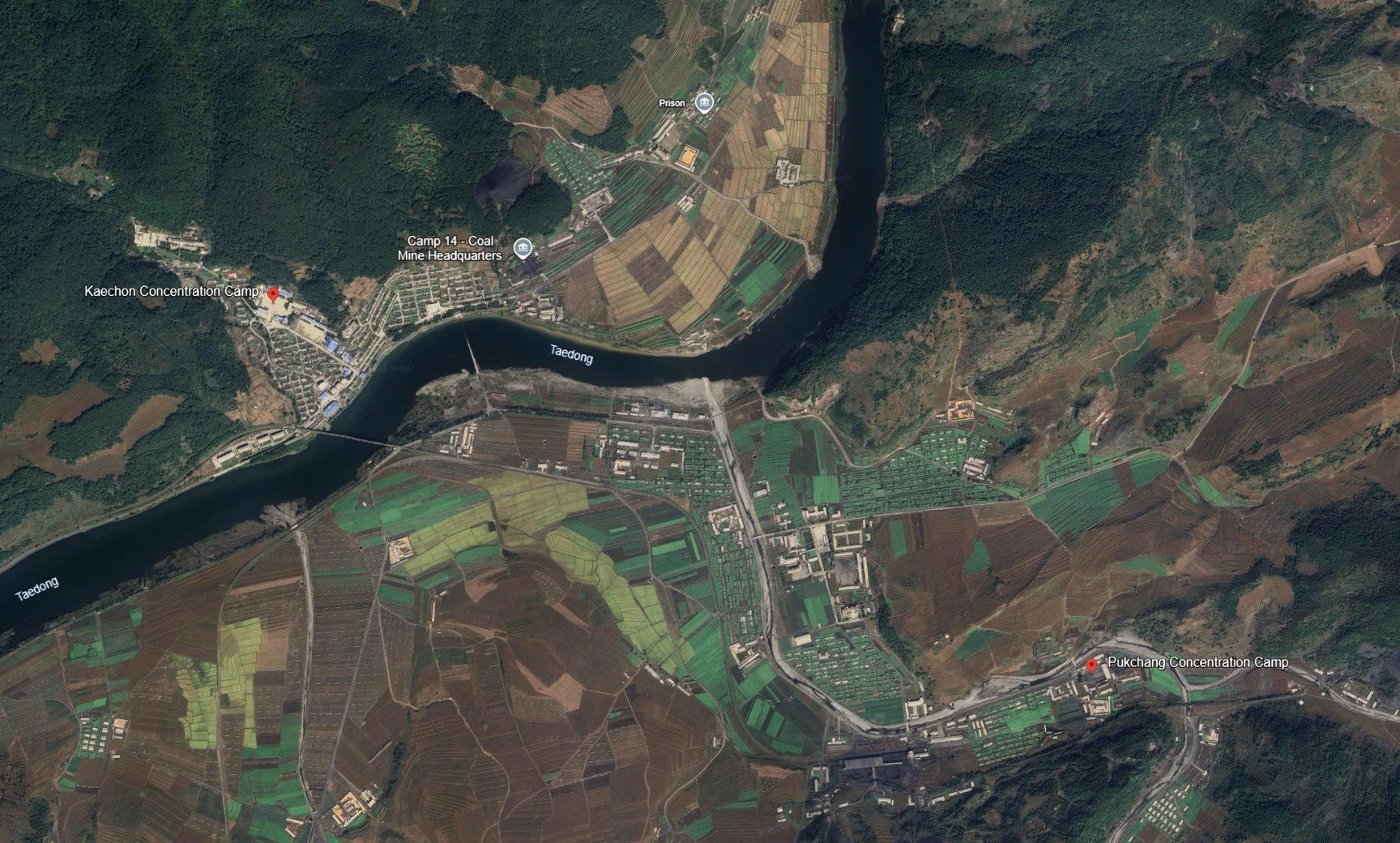
In a statement released this week, UN High Commissioner for Human Rights Volker Türk expressed shock that political prison camps (kwanliso) still operate at such a scale in 2025. The update focuses on the human stories inside these "town-sized" detention centers, where entire families remain imprisoned.

  • Guilt by Association: The report notes that while the "three-generation punishment" rule (imprisoning a defector's parents and children) may be weakening in practice, it is still a terrifying tool of control.

  • Life Inside: Satellite imagery and defector testimony describe camps that resemble towns of up to 40,000 people, complete with schools and factories, but from which "you can never leave."

  • International Plea: The Commissioner emphasized the aging population of victims, including Japanese abductees and South Korean POWs, urging immediate action before the last witnesses pass away.

Source: Japan Forward 


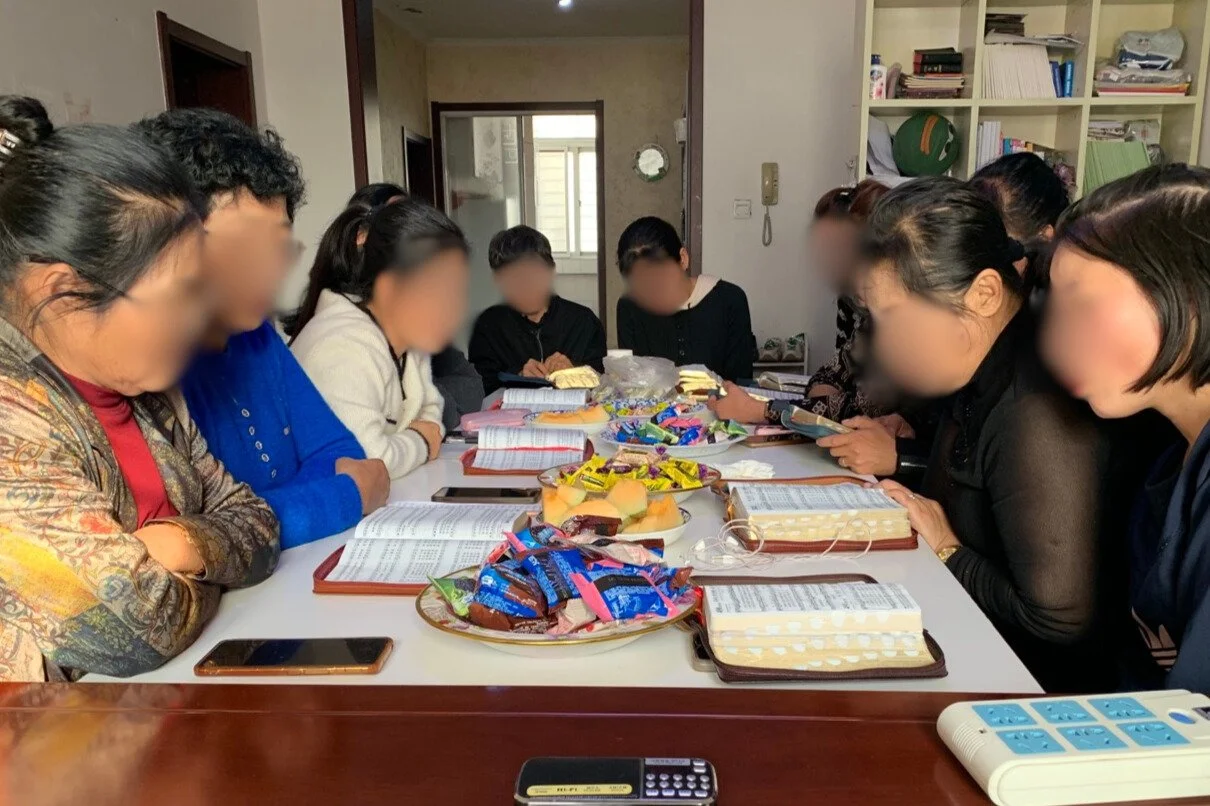
North Korean refugee women in a Bible study with a group in China

Defector Women in China Losing Life Savings to 'Trusted' Locals"

A growing number of North Korean women hiding in China are losing their hard-earned savings to local acquaintances. Because they lack legal status and cannot open bank accounts, they are forced to entrust their cash to Chinese partners or friends, leaving them with no legal recourse when that money is stolen or withheld.

  • The Trap: Women often save money for years to send back to their parents in North Korea or to fund an escape to South Korea, only to have "trusted" guardians deny holding the funds.

  • Specific Incidents: Reports from Jilin and Liaoning provinces detail women losing sums ranging from 10,000 to 25,000 yuan ($1,380–$3,450 USD) with no way to report the theft to the police without risking deportation.

  • Legal Limbo: The stories highlight the extreme fragility of life for undocumented North Koreans, whose "illegal" status makes them perfect targets for financial exploitation.

Source: DailyNK

The Closing Door: Sharp Drop in North Korean Defectors Signals Tighter Control

North Korea's movement restrictions have reached new heights, resulting in a dramatic reduction in the number of defectors escaping the country. In 2019, over 1,000 North Koreans successfully fled to South Korea. By 2021, that number had plummeted to a mere 63.

More recently, only 181 defectors — 159 women and 22 men — arrived in South Korea between January and September of last year, according to a United Nations human rights report. These current numbers represent a small fraction of past levels, highlighting the tightening grip of the regime on its citizens.

Why the Dramatic Drop?

This sharp decline is largely due to extremely strict controls: severe restrictions on movement internally, increased use of surveillance technology along an already heavily fortified border, and even "shoot-on-sight" orders for anyone approaching the border with China, making escape far more perilous than before.

A Shift in Who Escapes: From Trafficked Women...

Historically, trafficked women often escaped through China, where they were subjected to exploitation such as forced marriages and sex trafficking, driven by the severe gender imbalance that fostered a black market for brides. Defector tales once echoed stories like Chae-ran's, who recounted how she was transported to northwestern China after finishing high school and was forced to choose between working in a bar entertaining customers or marrying a Chinese farmer eight years her senior, recalling that “I wanted to cry, but I knew nothing would change even if I did.”

...To Handpicked Workers

The recent UN report highlights a demographic shift. Now, many arrivals in South Korea are laborers officially sent abroad – primarily to China and Russia – specifically to earn foreign currency for the Kim regime. Despite the partial reopening of borders after COVID-19 closures, only these few, often selected for their perceived loyalty, seem able to find opportunities to flee.

Escape from Forced Labor Abroad

Selection criteria for overseas work often require demonstrating unwavering loyalty and being married. This allows Pyongyang to use potential repercussions against families left behind as a powerful tool to ensure compliance. Laborers work under strict surveillance by government minders, making escape difficult.

However, the harsh conditions—akin to modern-day slavery with forced multi-year contracts, confiscated passports, and most wages siphoned off by the government—combined with the prospect of eventual return to North Korea, compel some to defect. They seize rare moments when supervision might be less intense, such as during travel between job sites.

Families Left Behind: Stuck in an Invisible Prison

For the families of defectors who remain in North Korea, the consequences are severe and immediate. Even if they avoid execution or labor camps, they endure "intensified surveillance and suspicion," confining them to what observers call an "invisible prison."

Treated as "dangerous elements" and enemies of the state, one defector’s relative described how “they must live their entire lives feeling like criminals... They gradually began avoiding people because having every breath, meal, and word monitored and reported became unbearable.”

Security agencies heavily restrict the lives of these families. They are frequently denied travel permits, particularly to border regions, out of fear they might also attempt to defect or contact the outside world for information or money. One family reportedly abandoned travel to a relative's wedding after realizing security agents were following them, wishing to avoid causing problems for their hosts.

These inhumane restrictions not only isolate families within North Korea but also amplify the immense burden of guilt and worry carried by defectors living in freedom.

Accounts from "Camp 15"

Kang Cheol-hwan was detained in the Yodok concentration camp for 10 years

Kang Cheol-hwan was detained in the Yodok concentration camp for 10 years

His grandparents held highly respected positions under Kim Il-Sung's rule. 

But all of that changed when their critiques of the dynastic regime sentenced two generations of the Kang family to concentration camps. 

Kang Cheol-hwan, who was only a child when he was sentenced to hard labor in the Yodok concentration camp, known as "Camp 15."

In a speech he made in South Africa, the now-defector from North Korea recounted stories of torture and horrible conditions. 

“Most never survived the experience as they were forced to sit for extended periods in cold muddy water. If they survived, their flesh was literally rotten,” he said.

Read the full story here