North Koreans in China

Year of the Horse 2026: From Malfoy Memes to Refugee Realities

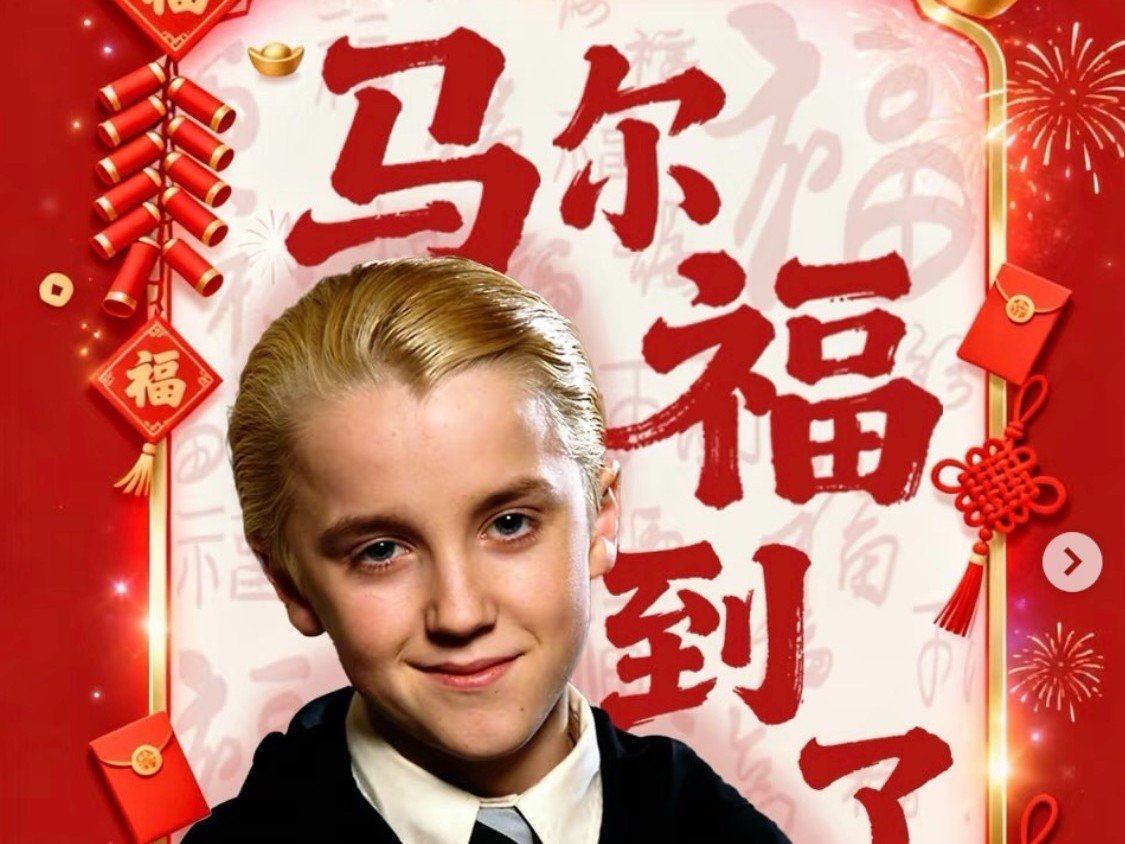
The Face of Lunar New Year 2026 - Draco Malfoy

FORTUNE COMES WITH THE HORSE

If you walk through a Chinese shopping district this February, the traditional Lunar New Year decorations look a bit different. Amidst the red lanterns and gold-trimmed zodiac symbols for the Year of the Horse, a surprising face has started appearing on shopfronts and smartphone wallpapers: the icy, platinum-blond sneer of Draco Malfoy.

The Harry Potter antagonist’s sudden rise to "lucky charm" status isn't about a sudden love for Slytherin. Instead, it’s the result of a linguistic coincidence that the internet has turned into a viral phenomenon.

In Mandarin, Malfoy’s name is transliterated as 馬爾福 (“ma er fu”). 

  • The first character 馬 (“ma”) literally means “horse” 

  • The final character 福 (“fu”) means “fortune” or “blessing” 

Together, this sounds similar to auspicious phrases like 馬來福 (“ma lai fu”), which means “fortune comes with the horse,” creating an accidental but deeply appealing association between Malfoy and prosperity. 

REBRANDING AND REDEMPTION

Images and videos of red Draco-themed decorations are flooding platforms like Douyin and Xiaohongshu (China’s version of TikTok and Instagram respectively). Searches such as “Malfoy Chinese New Year Wallpaper” are among the most popular, and typical designs combine Draco’s characteristic smirk with traditional good luck motifs. Many of these wallpapers carry playful captions like “pure blood blessings” and “pure blood’s wealth,” while festive Lunar New Year couplets riff on Hogwarts lore, promising to “add ten digits to your bank account” as if “adding ten points to Slytherin,” or even joking in aristocratic Malfoy fashion, “I will tell my father to give you red packets.”

The jokes about 'pure blood blessings' carry a sharp, unintended sting. In the Harry Potter universe, 'Pure Blood' is the ultimate status of the insider, a reference to the ones who belong. In contemporary China, status is everything. While Malfoy’s fictional pedigree is celebrated on red envelopes, North Korean defectors are branded with the status of 'illegal economic migrants,' a label that strips them of their rights and makes them targets for repatriation. A fictional villain is welcomed for his name while real refugees are hunted for their lack of papers.

SOMBER REALITY FOR NORTH KOREAN DEFECTORS IN CHINA

While Draco Malfoy’s unlikely ascent to mascot status offers a light-hearted cross-cultural laugh during the festival, the situation for North Korean defectors in China remains grim and deeply bitter. The absence of legal status and formal refugee recognition means that, even as families gather for Lunar New Year dinners and fireworks, many defectors spend the holiday in hiding. Cut off from their families and unable to travel, they avoid crowded streets amid heightened holiday surveillance in public spaces, confining themselves to cramped apartments to avoid police checks. With factories and many local businesses shuttered for the weeklong break, work disappears as well, leaving them isolated, invisible and fearful of arrest during a season defined by reunion and celebration.

Meanwhile, Christians who provide shelter, food or safe passage to North Korean defectors are closely monitored by the Chinese government, as authorities frame independent religious activity as a potential foreign threat. During major national holidays such as Lunar New Year, when China experiences the world’s largest annual human migration (with an estimated record-breaking 9.5 billion passenger trips expected over the 40-day Spring Festival travel rush this year), authorities increase security measures in transport hubs, neighborhoods and places of gathering. For defector communities, the result is a holiday that amplifies isolation as churches and faith groups that might otherwise organize shared meals or offer companionship limit gatherings to avoid attracting attention.

In 2026, Draco Malfoy, a cruel and prideful character created by J.K. Rowling, is warmly reimagined as a bringer of fortune, with his image adorning homes and malls across China. Yet real people escaping hardship lack even the basic dignity of refuge, while those motivated by faith to offer love and care to others are treated with suspicion and perceived as greater threats compared to a once-reviled villain. In a festival that celebrates renewal and good fortune, the irony is simply too difficult to ignore.

Buried in the Heart: A North Korean’s Longing for the Family She Left Behind

"Whoever walks in integrity will be delivered, but he who is crooked in his ways will suddenly fall." (Proverbs 28:18 ESV)

At Elim House, our women’s shelter, Janet (a pseudonym) clings to these words. She often tells us that whenever she tried to rush or let greed take the wheel, life became complicated. Now, she believes that even if it takes time, going slowly, acting with integrity, and waiting patiently is the best approach in life.

But this wisdom was earned through a lifetime of profound loss.

The Weight of HER PAST

During her years in China, she managed a company cafeteria—a role that could have easily translated into consistent work in South Korea. While working in a company cafeteria in China gave her significant experience, she refused to do restaurant work after coming to South Korea. She says that time was so lonely and difficult that no amount of money could convince her to return to that life.

Her transition to life in the South has been complex. Unlike many defectors, Janet didn't flee the North because of starvation or a hatred for the political system. Because of this, her struggles here often trigger regret. When she was in China, the door to home was technically still open; she could have returned. But crossing into South Korea shut that door forever. On her hardest days, that finality brings a deep and aching homesickness.

A History of Heartbreak 

In North Korea, tragedy struck early when her young son drowned. This shock caused her husband to wander and stray. The husband suffered immense guilt because he had beaten the son the day before the accident.

Years later, Janet was pregnant with their second child, this time, a baby girl. When her husband heard it was a girl, the reaction was visceral and cruel—he snatched the pillow from under Janet’s head, threw it across the room, and walked out. He then had an affair. He eventually returned home on the daughter's 100th day, the first major celebration in a newborn’s life. He held his daughter’s hand, and cried endlessly. 

Janet’s Dream 

In 2005 when their daughter was just five years old, Janet made the agonizing choice to cross into China to earn money for the family. She hasn't seen her child since. The only comfort she has is a scrap of news from a few years ago: her daughter is alive, living with her father, and working.

Janet describes herself as a woman who has "buried her children in her heart"—an idiom for a parent who outlives or is permanently separated from their children.

When we asked her about her hopes for the future, she didn't mention wealth, travel, or success. She simply said:

"If there is a next life, my only dream is to have many children, and to just live with them."

Janet’s story is a reminder that for many of the women we serve, the journey to freedom is paved with the heavy stones of separation. We ask for your continued support as we help Janet find the shalom of Jesus in this life, even as she dreams of the next.

Top Headlines From North Korea - December 2025

Russian TV Rebrands North Korea for Tourists

A fascinating new cultural shift is occurring in Russian media, where North Korea is being rebranded not as a hermit kingdom, but as a model of "sovereignty" and a desirable travel destination. This media campaign highlights the growing soft-power exchange between the two nations, impacting how ordinary citizens view each other.

  • The Narrative: New documentaries and weekly shows like Russian Lessons are portraying Pyongyang as a modern, decisive state to justify the deepening alliance to the Russian public.

  • Tourism Push: The coverage specifically promotes the Wonsan-Kalma beach resort, attempting to normalize North Korea as a vacation spot for Russians cut off from Western travel.

  • Cultural Impact: This rebranding aims to erase the "backward" stereotype of North Korea in the Russian mindset, replacing it with images of clean monuments and "ideal" social order.

Source: 38 North

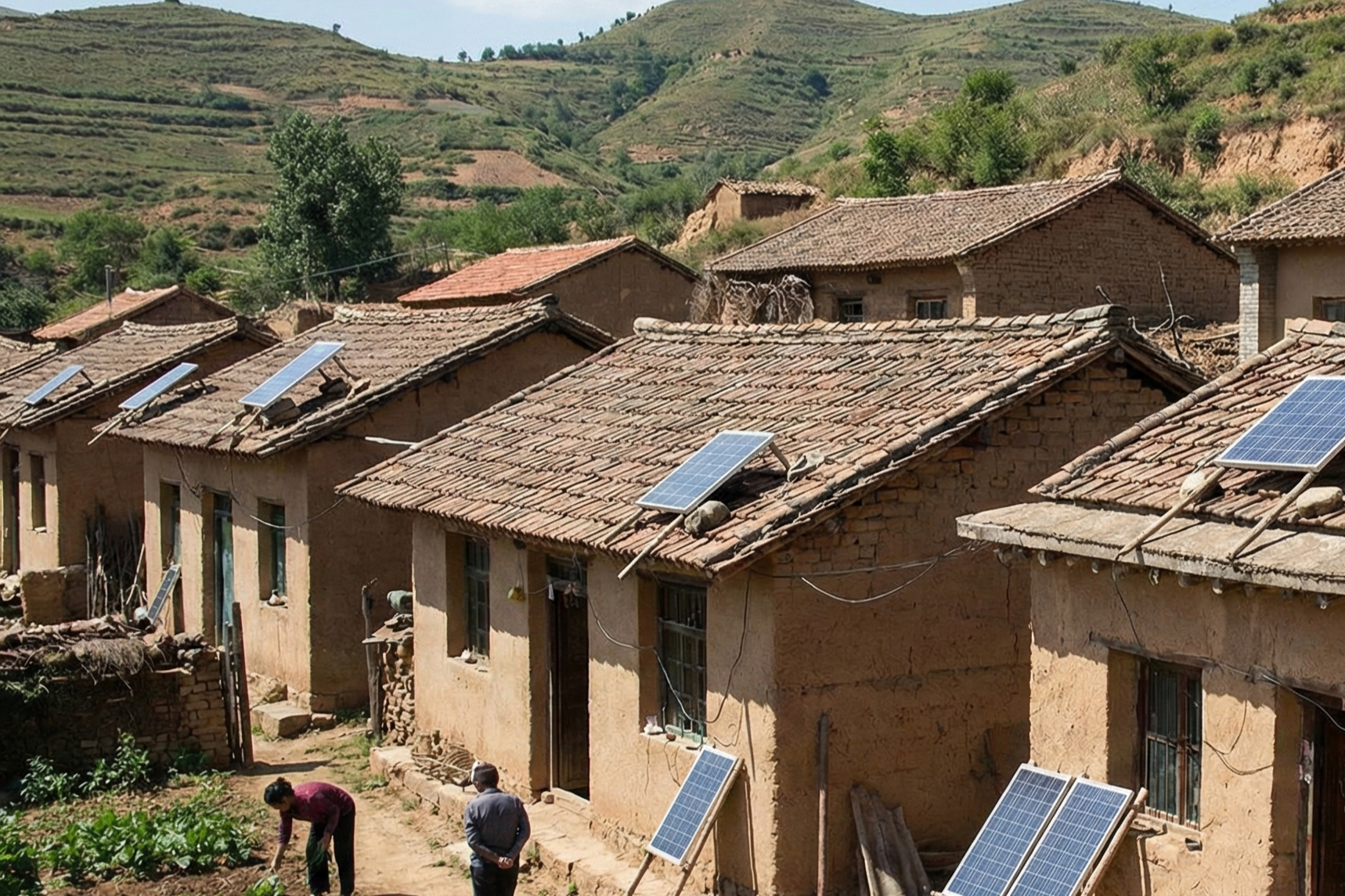
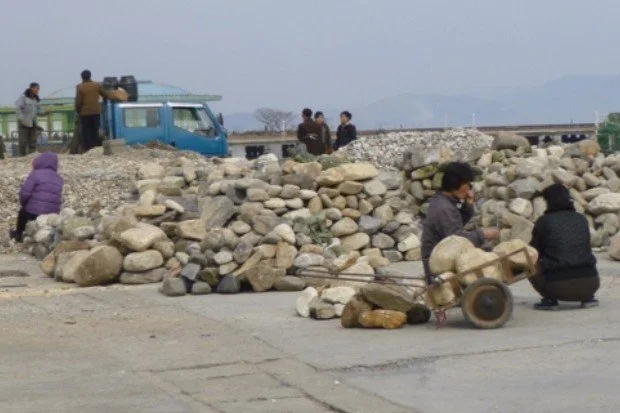
The home of a North Korean refugee in China

Scammers Exploit North Korean Families Searching for Repatriated Relatives

Families in the northern city of Hyesan are falling victim to cruel scams while trying to locate loved ones who were recently repatriated from China. Driven by the terrifying fear that their relatives have been sent to political prison camps, families are selling their homes and paying thousands of dollars to brokers who promise information but deliver nothing.

  • The Scam: Fraudsters are charging between $6,900 and $13,800 USD (up to 100,000 yuan) to "confirm" if a relative is alive or to "secure their release," but often disappear with the money.

  • The Human Cost: One family reportedly sold their home to raise funds for information about a repatriated relative, ending up homeless and still without answers.

  • The Context: The scams exploit the total information blackout the state maintains regarding the fate of repatriated defectors, weaponizing families' love and fear against them.

Source: DailyNK


Source: UN Human Rights Office of the High Commissioner

UN Official 'Shocked' by Persistence of Prison Camps"

In a statement released this week, UN High Commissioner for Human Rights Volker Türk expressed shock that political prison camps (kwanliso) still operate at such a scale in 2025. The update focuses on the human stories inside these "town-sized" detention centers, where entire families remain imprisoned.

  • Guilt by Association: The report notes that while the "three-generation punishment" rule (imprisoning a defector's parents and children) may be weakening in practice, it is still a terrifying tool of control.

  • Life Inside: Satellite imagery and defector testimony describe camps that resemble towns of up to 40,000 people, complete with schools and factories, but from which "you can never leave."

  • International Plea: The Commissioner emphasized the aging population of victims, including Japanese abductees and South Korean POWs, urging immediate action before the last witnesses pass away.

Source: Japan Forward 


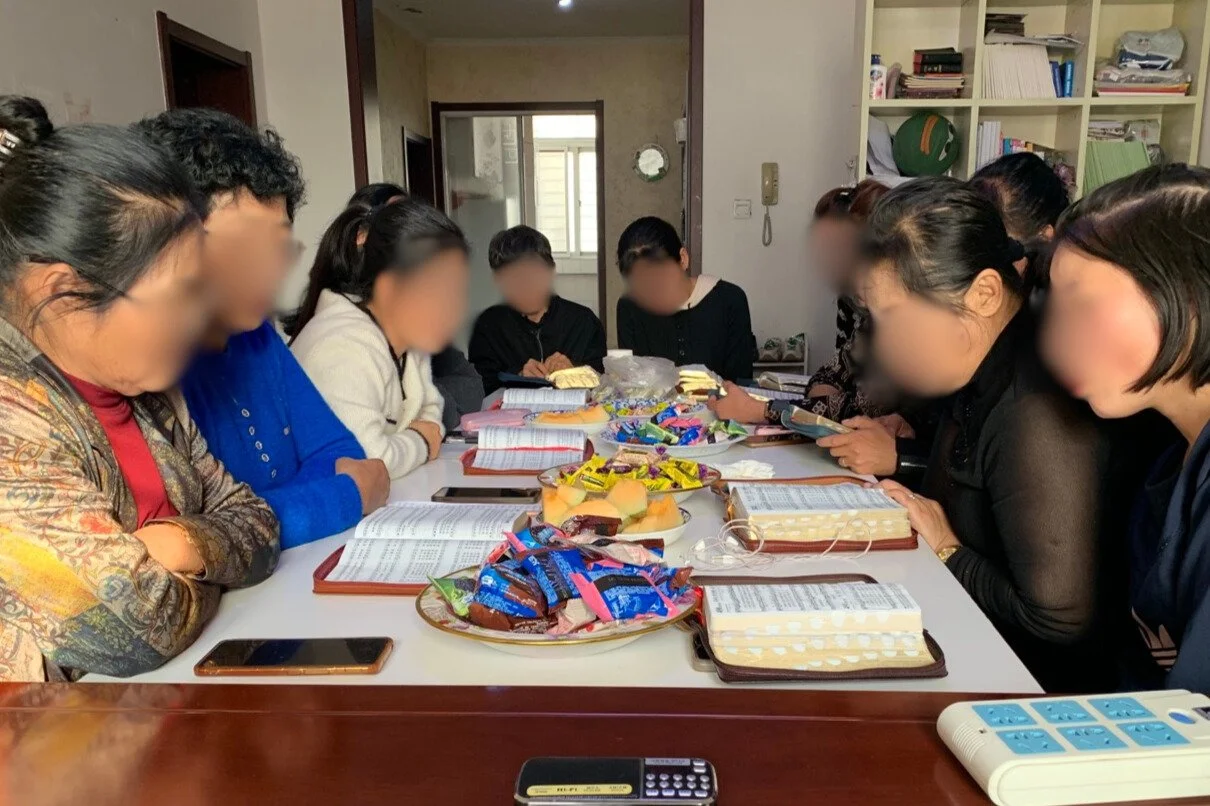
North Korean refugee women in a Bible study with a group in China

Defector Women in China Losing Life Savings to 'Trusted' Locals"

A growing number of North Korean women hiding in China are losing their hard-earned savings to local acquaintances. Because they lack legal status and cannot open bank accounts, they are forced to entrust their cash to Chinese partners or friends, leaving them with no legal recourse when that money is stolen or withheld.

  • The Trap: Women often save money for years to send back to their parents in North Korea or to fund an escape to South Korea, only to have "trusted" guardians deny holding the funds.

  • Specific Incidents: Reports from Jilin and Liaoning provinces detail women losing sums ranging from 10,000 to 25,000 yuan ($1,380–$3,450 USD) with no way to report the theft to the police without risking deportation.

  • Legal Limbo: The stories highlight the extreme fragility of life for undocumented North Koreans, whose "illegal" status makes them perfect targets for financial exploitation.

Source: DailyNK